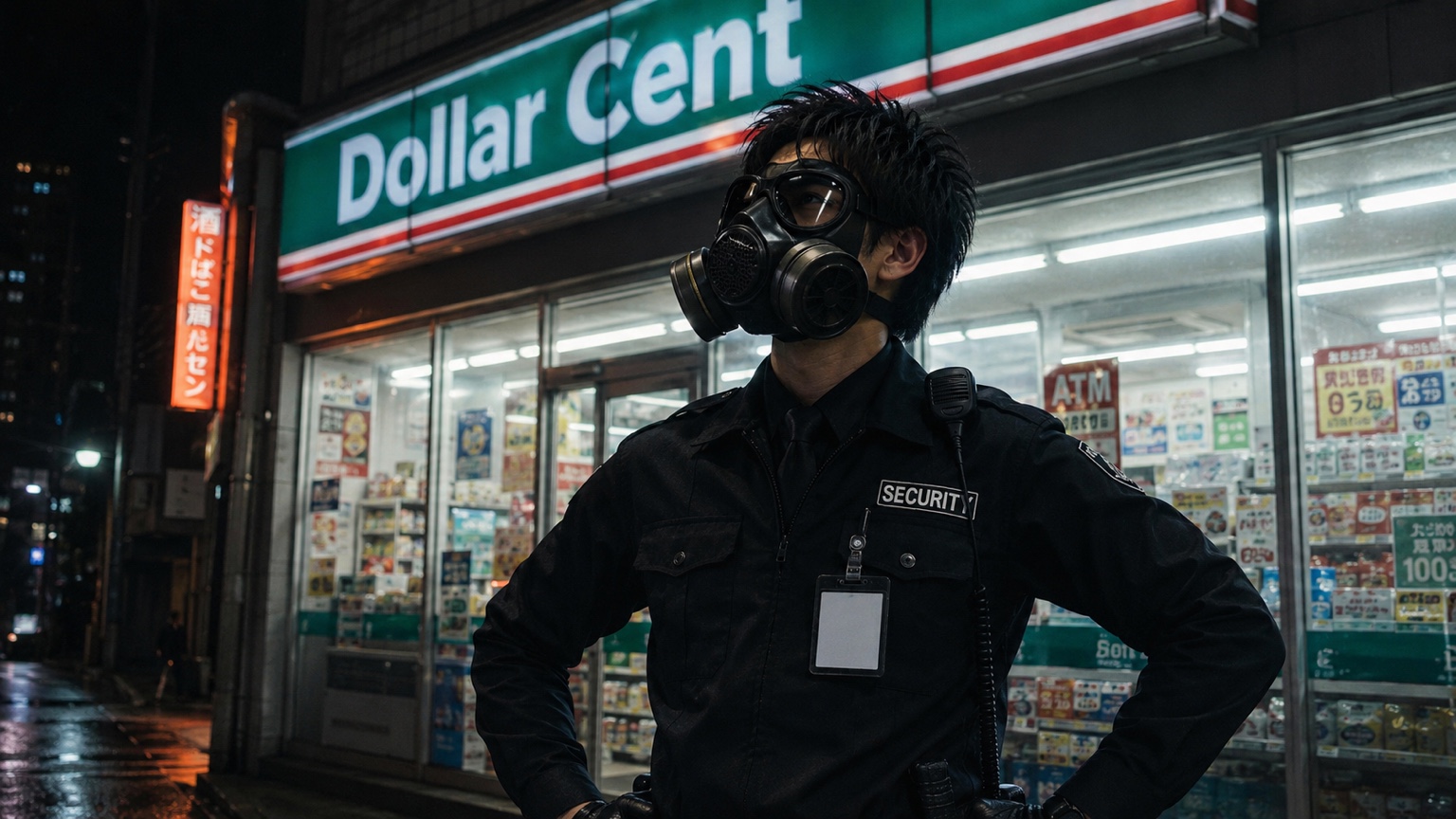
AGENT G
An ordinary job. A classified fantasy.
At Dollar Cent, G is just a security guard.
He checks receipts, watches suspicious teenagers with energy drinks, and stands at the entrance as if he is protecting a classified government facility.
But inside his own head, he is something else entirely.
After putting on his roommate’s military cadet uniform, G creates a new identity for himself: Agent G.
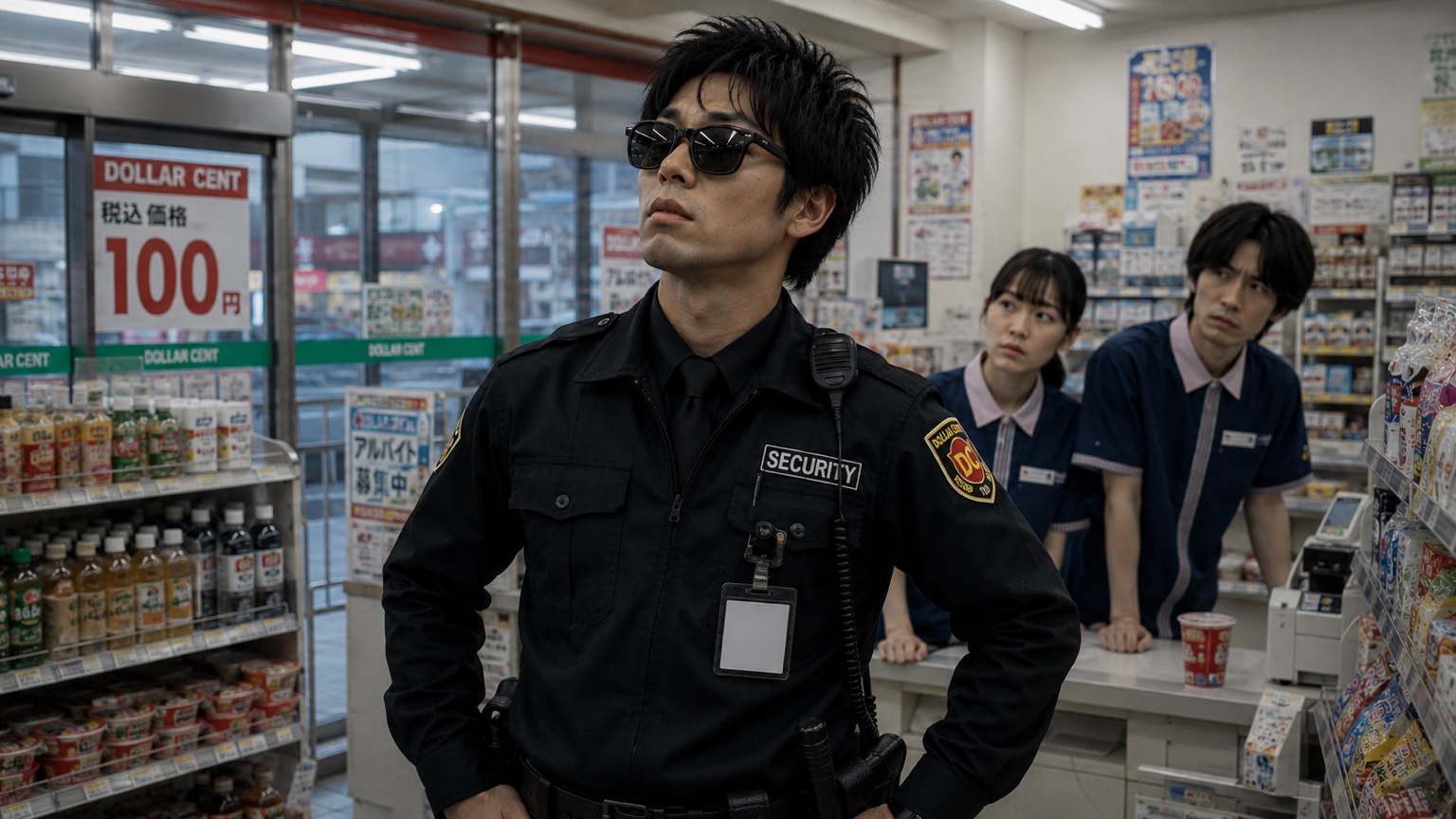

The object that started the legend.
It begins with Alfie’s uniform.
Clean. Pressed. Real.
For Alfie, it represents discipline.
For G, it becomes transformation.
Where the missions go wrong.
Outside the store, G enters his second theater of operations: bars, dates, sidewalks, cheap romance, and preventable disasters.
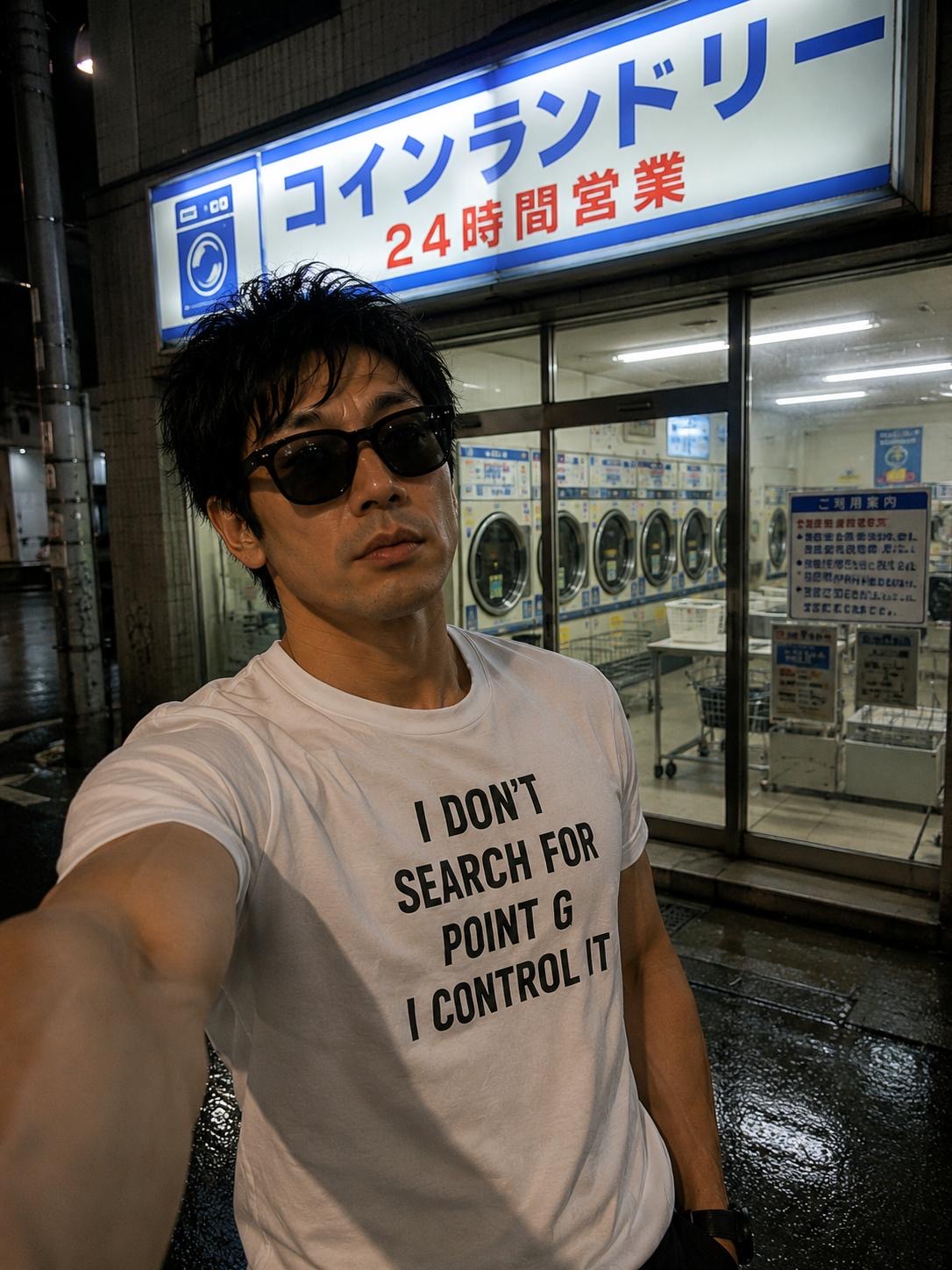
One photo changes everything.
A gas mask. A borrowed military look. A mysterious pose.
Suddenly, G is no longer just a man performing importance in bars and discount aisles. He becomes an image. A local myth. A neighborhood hero people can project onto.
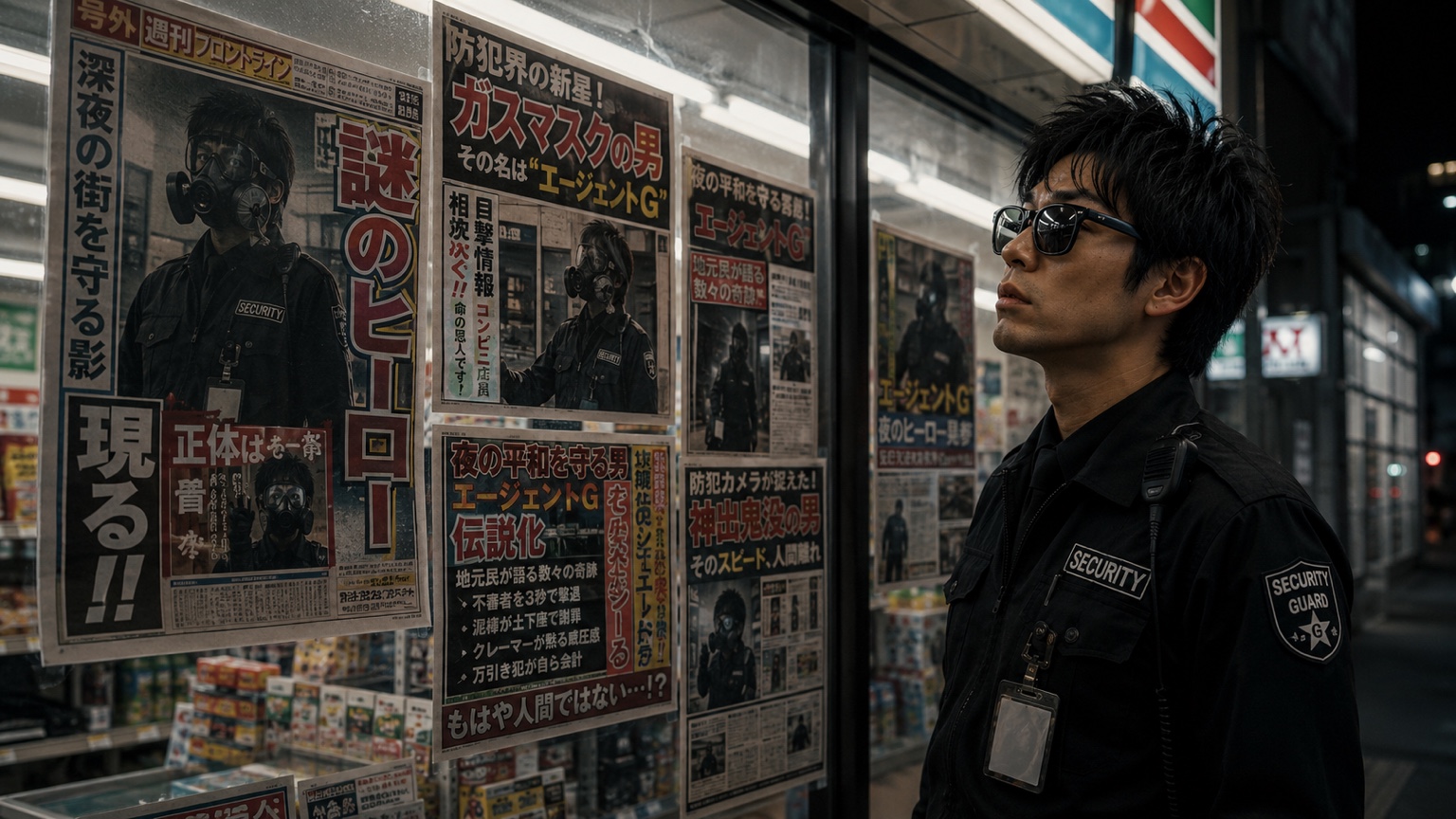
A small misunderstanding becomes an operation.
Every episode begins with something small: a phrase, a date, a photo, an email, a uniform, a holiday, a gift, or a casual conversation.
G absorbs the moment into his personal spy mythology and transforms it into an operation.
Fast. Dry. Awkward. Human.
Agent G is a character-driven comedy built on humiliation, delusion, rhythm, and emotional truth.
It is absurd, but never empty. Behind the fake credentials and classified posturing is something painfully simple: G wants to matter.
The rise of a walking classified disaster.
Season One follows the rise of the Agent G myth through ten escalating episodes of workplace tension, dating humiliation, accidental performance, and delusional self-reinvention.